
Why Revoking a User's Active Role Leaves Their Open Browser Tab Authorized
Administrative role changes often fail to propagate instantly to active client sessions, leaving open browser tabs with unauthorized access.

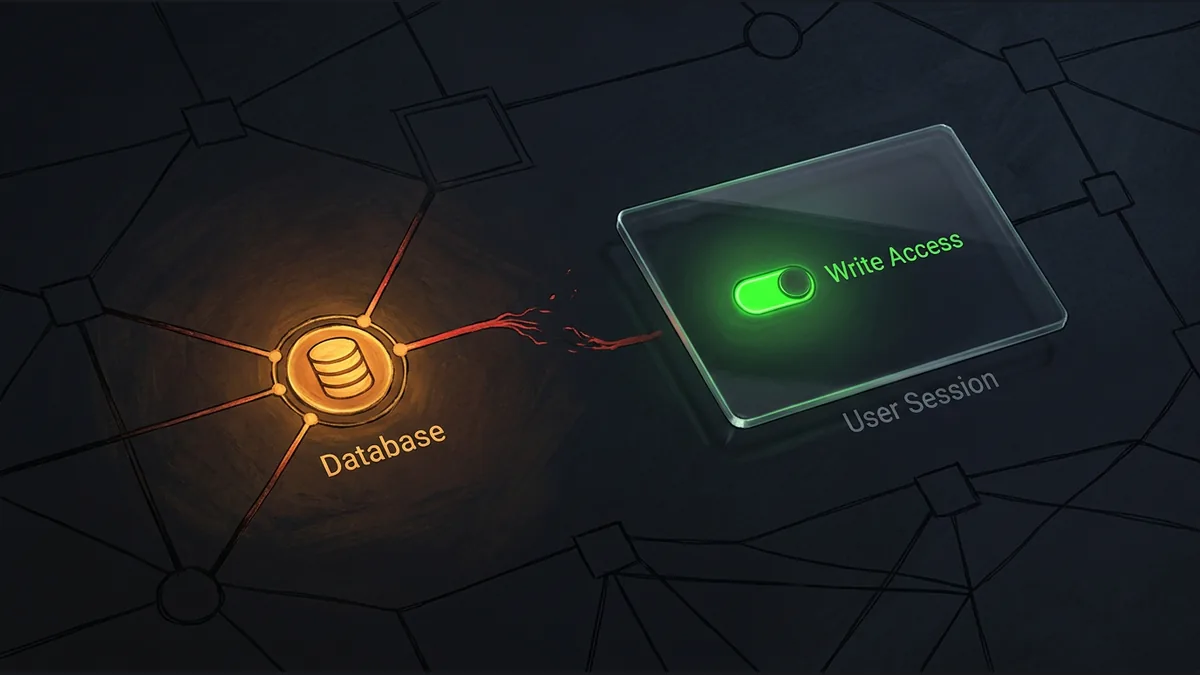

When system administrators revoke a user's permissions or demote their role, they often assume the change takes effect instantly across the entire platform. However, modern web application architectures frequently introduce a security lag. A user with an open browser tab may continue to view restricted interfaces and even execute actions long after their access level has been downgraded in the central database. Understanding why this happens requires looking at how modern front-end applications manage authorization states.
The Gap Between Server States and Browser Memory
Modern web development relies heavily on Single-Page Applications (SPAs). Unlike traditional websites that request a new HTML page from the server for every action, SPAs load a single codebase once and update the user interface dynamically using JavaScript. When a user logs in, the application often fetches their user profile and permission set, storing these details directly in the browser's local memory to render the appropriate buttons, menus, and pages. If an administrator changes that user's role in the database while the user is actively browsing, the running JavaScript application in the browser remains completely unaware of the modification. The client-side UI continues to display administrative tools because it is still reading the cached permission state from the browser's memory.
How Cached Tokens Bypass Real-Time Revocation
The issue extends beyond cosmetic UI elements to the actual API requests sent by the browser. Many modern applications use stateless authorization tokens, such as JSON Web Tokens (JWTs), to verify identity. These tokens are cryptographically signed and contain claims about the user's identity and roles. When the backend API receives a request, it may simply verify the token's digital signature and read the embedded claims instead of querying the database. If the token is valid for one hour, the user can continue to perform actions authorized by those embedded claims for the remainder of that hour, even if their actual database record was updated to a lower privilege level seconds after the token was issued.
A Hypothetical Scenario of Delayed Demotion
Consider a hypothetical enterprise dashboard where an HR manager's 'Admin' role is demoted to 'Viewer' in the central database. Because the dashboard is a single-page application that loaded the user's permissions into browser memory at login, the user interface continues to display a 'Delete Employee' button. If the backend API only checks the validity of the cryptographic signature on the access token but relies on the cached claims within that token's payload for permission checks, the user can successfully execute employee deletions until that specific token expires, despite their role already being changed in the database.
Securing the API Boundary on Every Request
To prevent unauthorized actions during this window of vulnerability, security architectures must enforce strict validation at the API layer. Security standards dictate that permissions must be validated correctly on every single request, regardless of whether the request is initiated by background AJAX scripts or server-side processes. Relying on cached token data or validating permissions on only a majority of requests is insufficient, as missing even a single access control check can jeopardize the confidentiality or integrity of system resources.
Mitigation Strategies for Developers
- Implement short-lived access tokens to minimize the window of vulnerability.
- Use a real-time revocation list or database check for high-privilege API endpoints.
- Employ WebSockets or Server-Sent Events to push immediate permission updates to active client sessions.
Takeaway for Secure Architecture
Never trust the client-side state. Real-time role revocation requires a backend architecture that verifies permissions dynamically on every incoming request, ensuring that an administrative change instantly blocks unauthorized actions regardless of what is displayed in an open browser tab.
Your reaction
Loading reactions…


Comments 0
Review comments