
Why Routing In-Game Actions Over HTTP Destroys Multiplayer Responsiveness
Using stateless HTTP requests for real-time, in-game actions introduces massive latency. Discover why game RPCs operating over persistent connections are essential for responsive multiplayer gameplay.

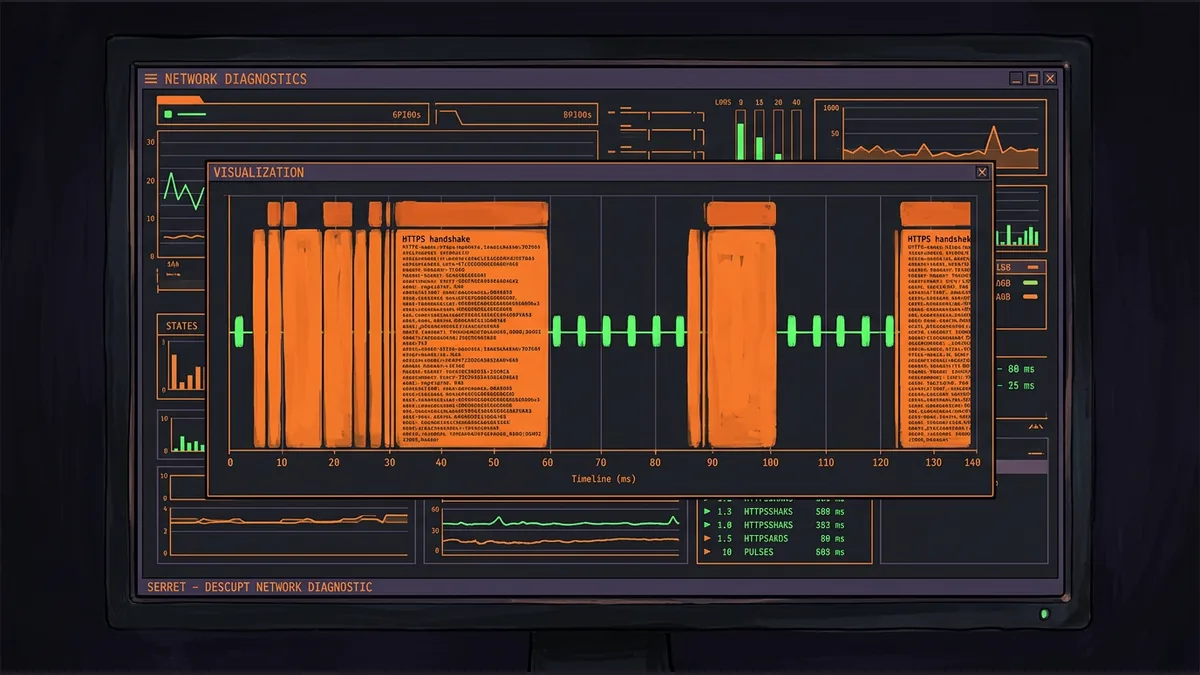

Multiplayer games require instant feedback to feel responsive and immersive. While web-based protocols are excellent for standard internet applications, using them for real-time game actions is a common architectural pitfall that can severely degrade the player experience.
Where HTTP Excels in Game Architecture
HTTP is highly effective for non-real-time game functions. It works perfectly for login systems, lobby browsers, retrieving web data, and downloading assets. These actions are infrequent and can easily tolerate a slight delay without affecting active gameplay.
The Overhead of Stateless Requests
HTTP requests carry significantly more overhead and take longer to initiate than high-level multiplayer networking. Because of this, they are unsuitable for real-time communication and frequent small gameplay updates.
Furthermore, HTTP relies on TCP, which buffers packets to send them in larger batches. This trades less per-packet overhead for higher latency. While this buffering works well for standard web traffic, it is generally poorly suited for fast-paced games. Additionally, an HTTP request node must complete its current request before it can send another, meaning concurrent requests require multiple separate nodes, adding further architectural complexity.
A Hypothetical Scenario: The Potion Delay
Consider a hypothetical fast-paced dungeon crawler where a player rapidly clicks to consume three health potions during a critical boss fight. If the developer routed inventory updates through a standard HTTPS REST API, each click would initiate a separate TCP/TLS exchange and a heavy JSON payload. Because the client must wait for each request to finish or manage multiple request nodes, the process takes 200 milliseconds per request, stacking up a 600-millisecond delay that ultimately gets the character killed. Conversely, if the action used the game's existing UDP-based Remote Procedure Call (RPC) channel, the three inputs would be packed into tiny binary payloads and processed in under 20 milliseconds.
The RPC Alternative for Real-Time Play
Game RPCs operate over a single, persistent, lightweight binary connection, bypassing the web stack to execute actions in milliseconds. This ensures that rapid player inputs are processed immediately without the overhead of establishing new connections or parsing heavy text-based headers.
Key Takeaways for Developers
- Use HTTP for static, infrequent tasks like authentication, lobby browsing, and asset downloads.
- Use persistent, binary game RPCs for real-time gameplay updates and player actions.
- Avoid TCP buffering and stateless request limitations for time-sensitive mechanics.
Your reaction
Loading reactions…

Comments 0
Review comments